
When to Respond, And When to Lead
The pause is where the edge lives.
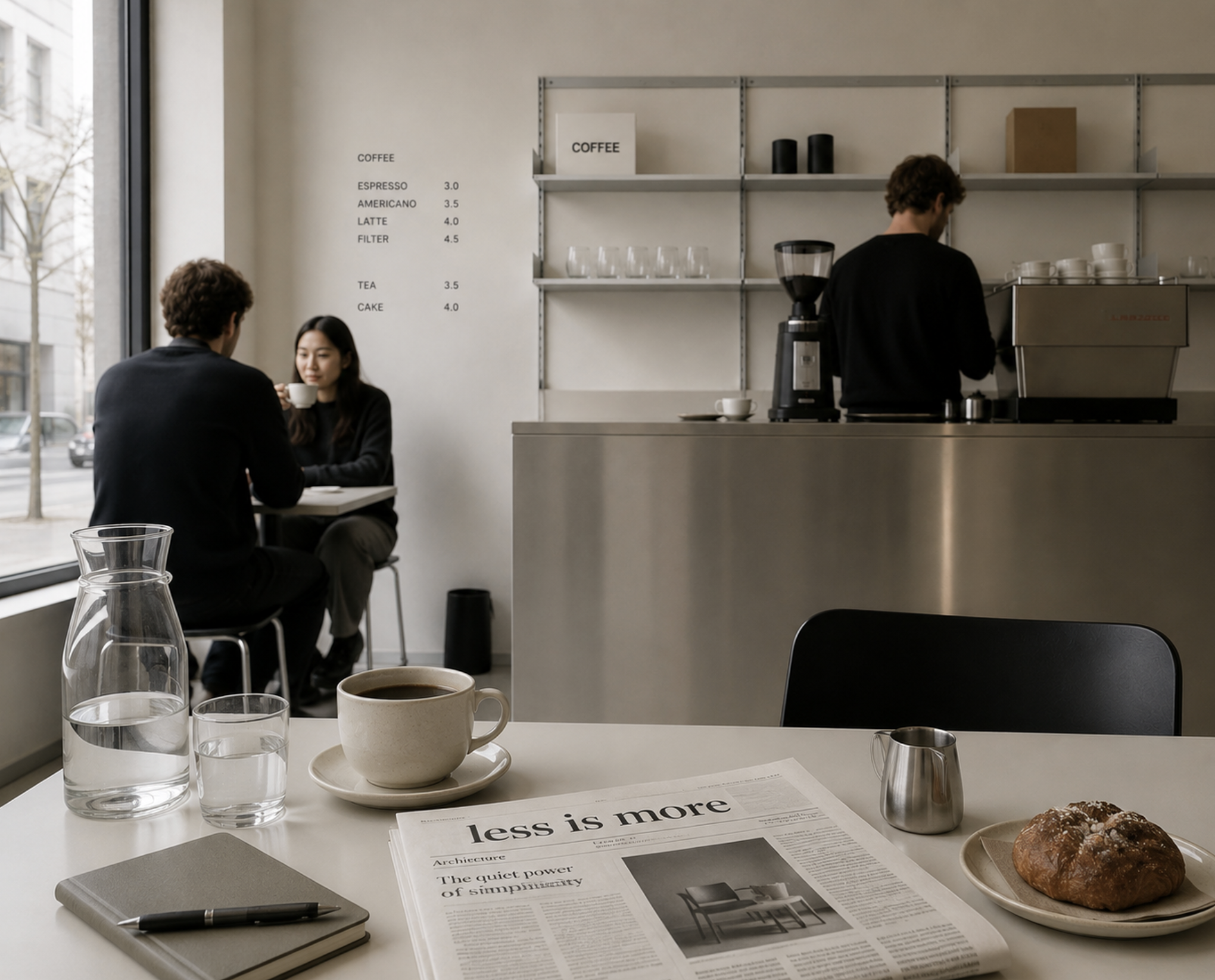
Image created by Bampt
We live in the era of instant. Ask AI to write a letter, done in seconds. Need a ride to the airport, two minutes. Forgot a lemon for tonight's recipe, time to respond and well now, it's at your door before dinner. The pace is extraordinary. And it is quietly training us to believe that speed equals competence. With that said here is something worth pondering: the founders who will matter in this generation of AI are not the fastest responders. They are the ones who know when to pause.
Reflex has risk
When your boss sends an email saying we need to cut the marketing team in half, or double the budget, or pivot to a new market, there is a pull to respond. Immediately. Decisively. To show you're on it.
The most important thing you can do at that moment is nothing. Intentional stillness. Five minutes. An hour. A day. Even saying "I'll have something for you by Thursday" is a form of nothing and it is often the most strategic move you can make.
Precision requires space
The tools we have now are genuine multipliers. AI can research, draft, structure, and execute faster than any team could five years ago. But tools amplify the thinking you bring to them. Come in reactively, and you get reactive output, just faster.
The founders building something that lasts are the ones who pause to get clear, then use every tool at their disposal to execute on that clarity. The pause is where the edge lives.
You feel the pressure to move fast. Everyone does. The mistake is believing that the pressure is an instruction.
This is a skill
Doing nothing is not passive. It takes understanding around what it means to you and then lots and lots of practice. With many reps, you start to get comfortable with the discomfort of not responding when everything around you signals that you should. You learn to trust that your response will be better, sharper, more considered, for having waited.
Your team learns something too. They see that you do not panic. They see that you make decisions, not reactions. They start doing the same.
In a world that is optimizing for speed, stillness becomes a competitive advantage. It always has been. It just matters more now.
The art of doing nothing is not about slowing down. It is about knowing when speed costs you more than it earns. It is about being the founder who can sit with ambiguity long enough to see what is the real move, then move with clarity.
Ashley is co-founder of Bampt. She loves food and helping small and medium businesses innovate.